
Robotics
Bring movement, charging and host integration into the battery brief.
Jinfan · Battery Solutions
Jinfan helps OEMs and product teams connect electrical requirements, BMS, mechanical fit and validation in one battery development project.
Explore our approach
Website operated by Dongguan Jinfan New Energy Technology Co., Ltd.东莞市锦帆新能源科技有限公司
Custom battery engineering OEM / ODM manufacturing partnership
What we do
A battery brief rarely arrives as a finished specification. Our role is to translate the product’s needs into a system definition, work through the trade-offs and carry the agreed design toward production.

Product first
A change in runtime can affect weight. A connector position can affect assembly. A communication requirement can change the BMS scope. These decisions need to be considered together, with your product team.
How we work
The scope, outputs and acceptance criteria are agreed for each project. The sequence below gives a shared structure to that conversation.
Start with the application, constraints and known requirements. Open questions are useful inputs too.
Identify dependencies, trade-offs and information needed to define the proposed system.
Use prototypes and an agreed validation plan to review the battery in its intended application.
Align the design revision, component definition, assembly information and quality criteria before release.
Engineering + manufacturing
A useful project review connects the battery definition with how it will be assembled, inspected and evaluated. Explore the process and source photographs in Manufacturing & Quality.
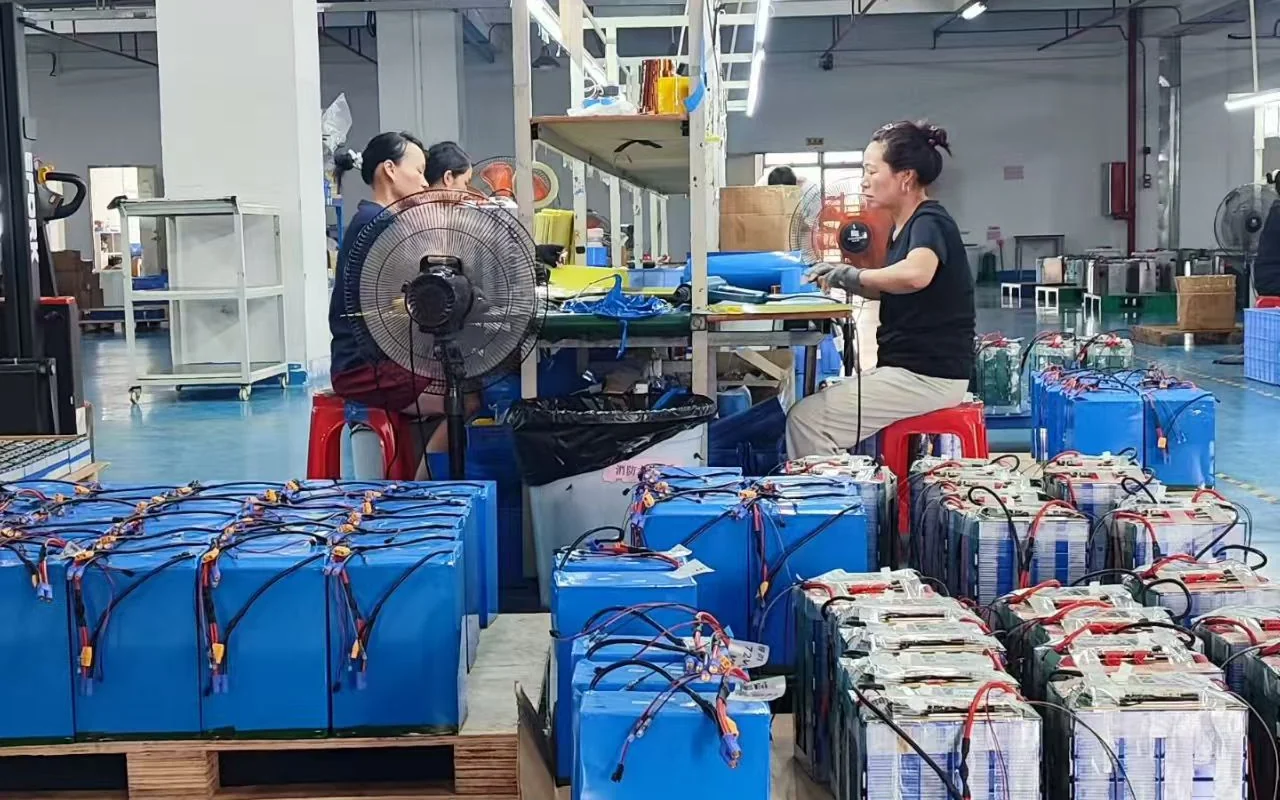
OEM / ODM collaboration
Long-term battery projects evolve with the product. Discuss future variants, requirement changes and production transfer early, so later revisions can be reviewed against an agreed design baseline.
Who we work with
OEMs, equipment developers and engineering teams working on robotics, UAVs, unmanned equipment and other industrial products.
No. Start with your product, operating scenario and known constraints. Separate confirmed requirements from targets and open questions so the engineering review can focus on the decisions still needed.
The product platforms describe configurable approaches, not fixed stock models. Electrical, mechanical and interface details are defined through the project review.
Identify the destination market, application and required evidence at the start. The project scope should define the validation plan and documentation needed. A test category or source photograph is not a certification claim.
Yes. Include expected variants and likely requirement changes in your brief. Their effect on the battery architecture, interfaces and validation scope can then be considered during engineering review.
Start a battery project
Share what the battery needs to do, where it needs to fit and what you already know.