
Customer requirementLimited installation space
Engineering decisionCompare cell format and pack configuration; review structure and thermal paths.
Design outputPackaging concept and mechanical interface definition.
CUSTOM BATTERY SOLUTIONS / OEM & ODM
From product requirements to production-ready systems.
For OEMs and product teams developing robotics, UAVs, unmanned systems and industrial equipment. Connect your product requirements to battery design decisions, prototype evaluation and production release.
Choose a short project inquiry or a detailed technical brief.

Project-specific engineering scope and capabilities are confirmed during technical review.
01 / BATTERY ENGINEERING
Start with what you know. Identify assumptions and open questions together before selecting a battery configuration.
02 / BATTERY ENGINEERING
A requirements review should connect constraints to engineering choices and reviewable outputs. These are evaluation pathways, not claims of validated project performance.
Engineering decisionCompare cell format and pack configuration; review structure and thermal paths.
Design outputPackaging concept and mechanical interface definition.
Engineering decisionEvaluate cell chemistry, parallel configuration, conductors and protection strategy.
Design outputElectrical architecture and load-validation criteria.
Engineering decisionReview BMS architecture, interface compatibility and firmware requirements.
Design outputInterface definition and communication verification plan.
Engineering decisionAssess enclosure, connectors, temperature strategy and environmental protection targets.
Design outputEnvironmental design requirements and validation plan.
Confirm communication compatibility and environmental requirements during project review. Supported functions and ratings depend on the agreed engineering scope.
03 / BATTERY ENGINEERING
Define the system boundaries before detailing the parts. Electrical, mechanical and host-product interfaces must be considered together.
Conceptual system elements — not a wiring diagram or an approved product architecture.
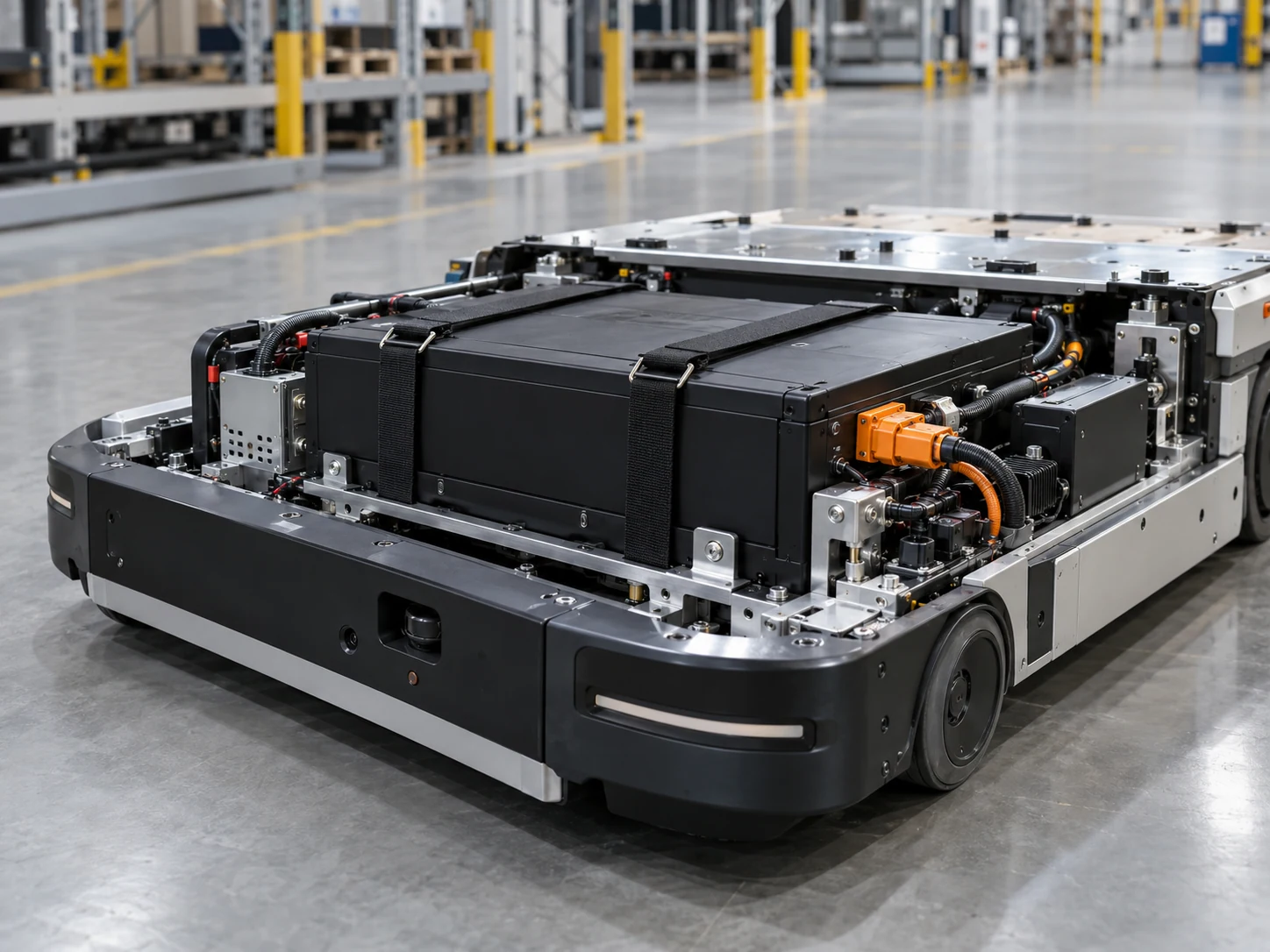
04 / BATTERY ENGINEERING
Cell selection starts with the duty cycle and product constraints. Compare trade-offs, then validate the selected candidate against the agreed requirements.

05 / BATTERY ENGINEERING
Translate the load, charging and host-interface requirements into a protection and control concept. Functions and supported interfaces depend on the approved project scope.
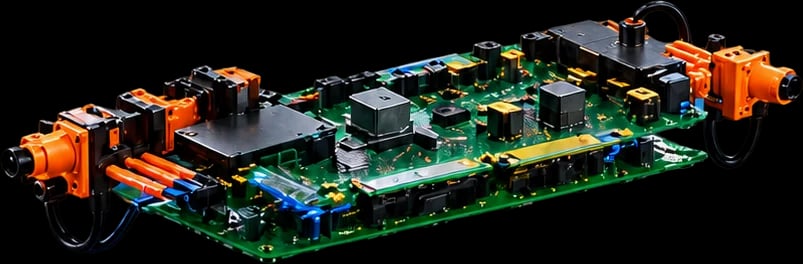
06 / BATTERY ENGINEERING
Engineer the battery around the product. Space, interfaces and service access shape the design from the start.
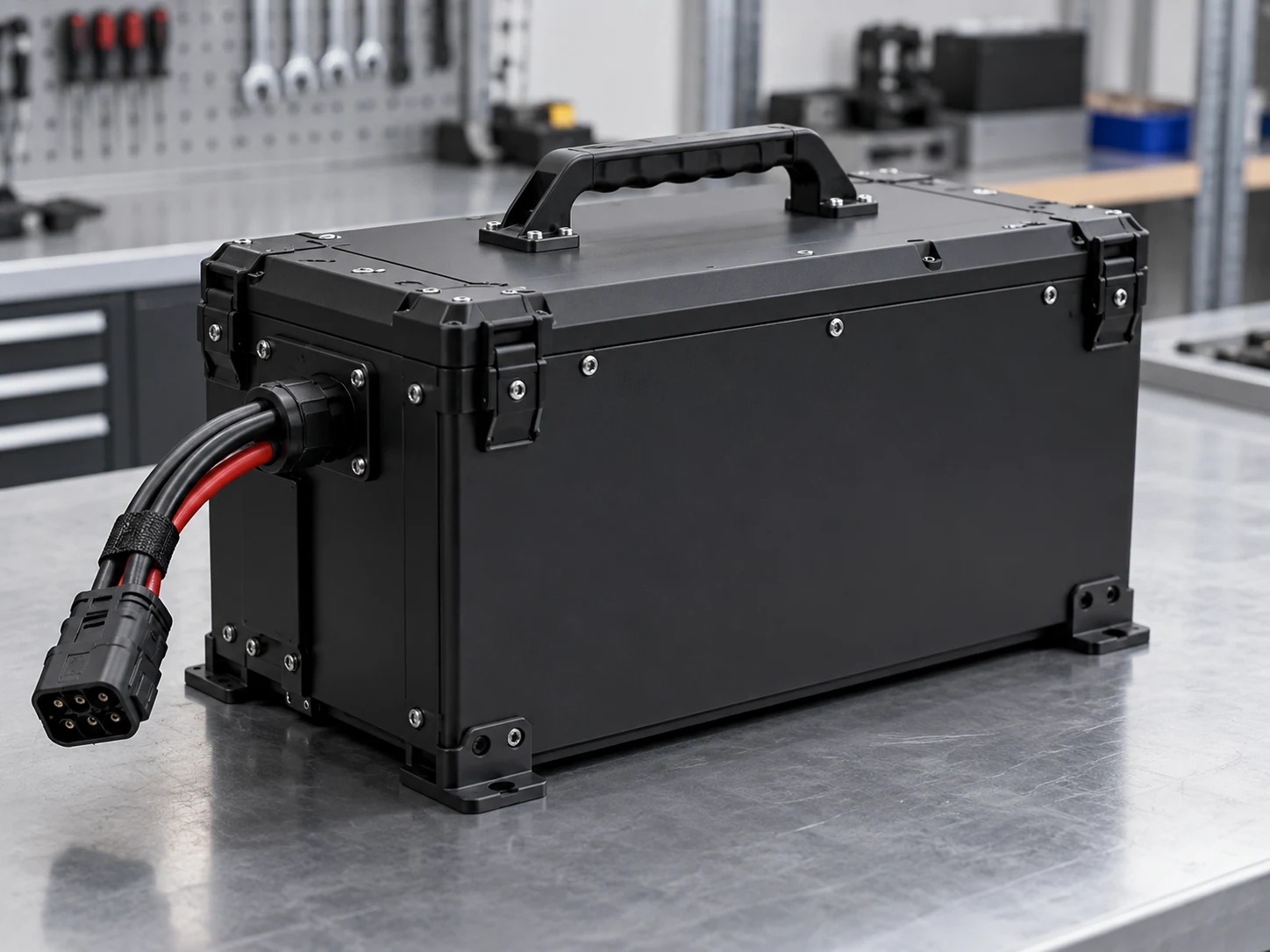
07 / BATTERY ENGINEERING
Use the prototype to test assumptions against the real application. Record findings and revise the design before moving toward release.
Engineering release
Prototype build
Bench evaluation
Customer / application feedback
Design revision
Iteration scope and timing are agreed for each project. A prototype is not production approval.
08 / BATTERY ENGINEERING
Define acceptance criteria before testing. Select validation activities around the application, risk assessment and agreed engineering scope.
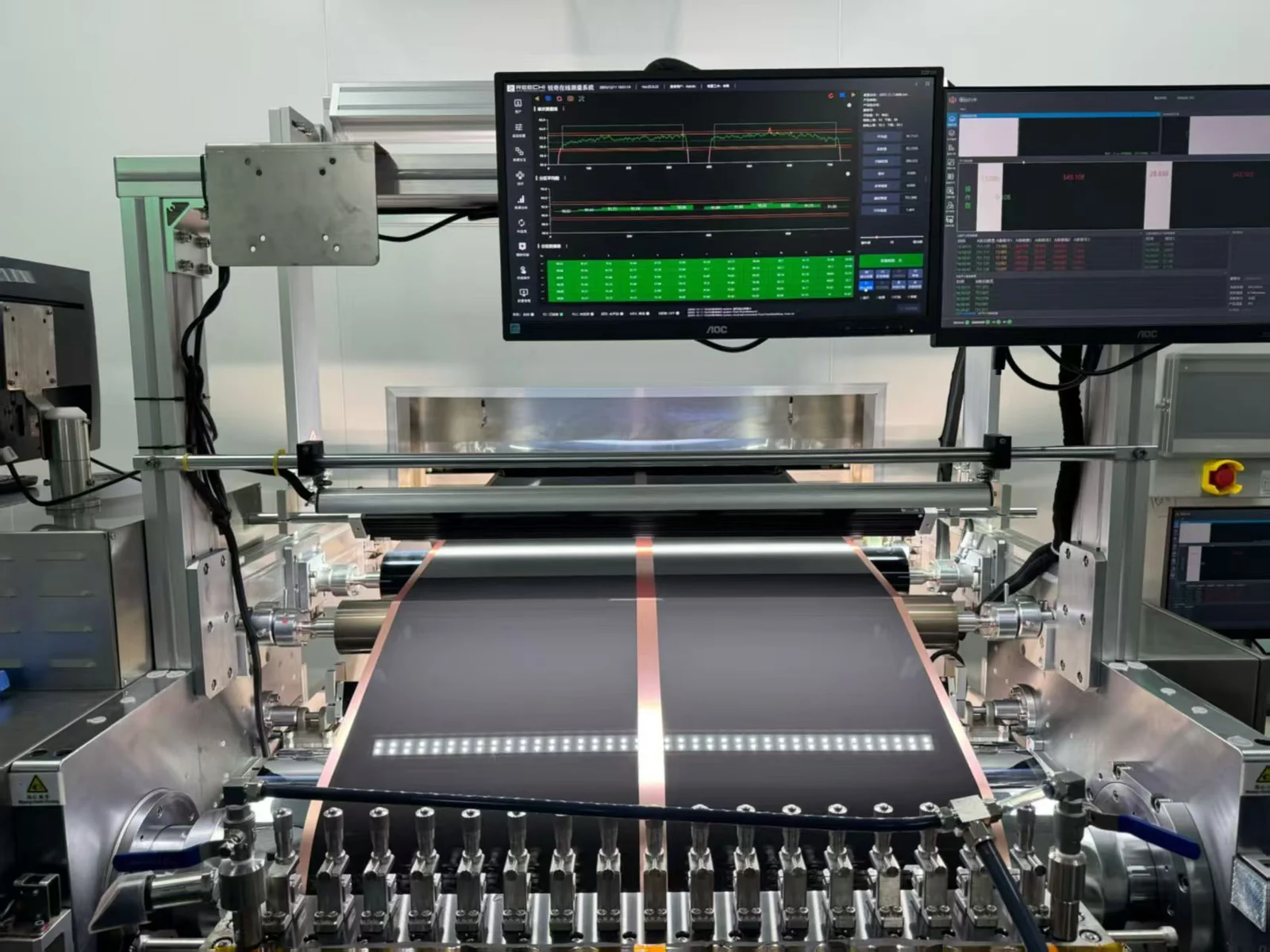
Test categories are planning topics. No test standard, equipment capability or result is claimed here.
09 / BATTERY ENGINEERING
Certification requirements are evaluated during project development and incorporated into design and validation planning.
Applicable requirements, responsibilities and documentation are agreed for the target market and project. No certification status is claimed.
10 / BATTERY ENGINEERING
Production readiness requires a controlled design and clear acceptance criteria. The release review connects engineering decisions to assembly and quality requirements.
Design freeze
Engineering documentation
Approved BOM
Work instructions
Quality criteria
Pilot production
Production release
Change control
Release follows the agreed review and approval process; documents and activities vary by project.
11 / BATTERY ENGINEERING
Typical engineering outputs may include the following. Deliverables, ownership and acceptance criteria are agreed for each project.
12 / BATTERY ENGINEERING
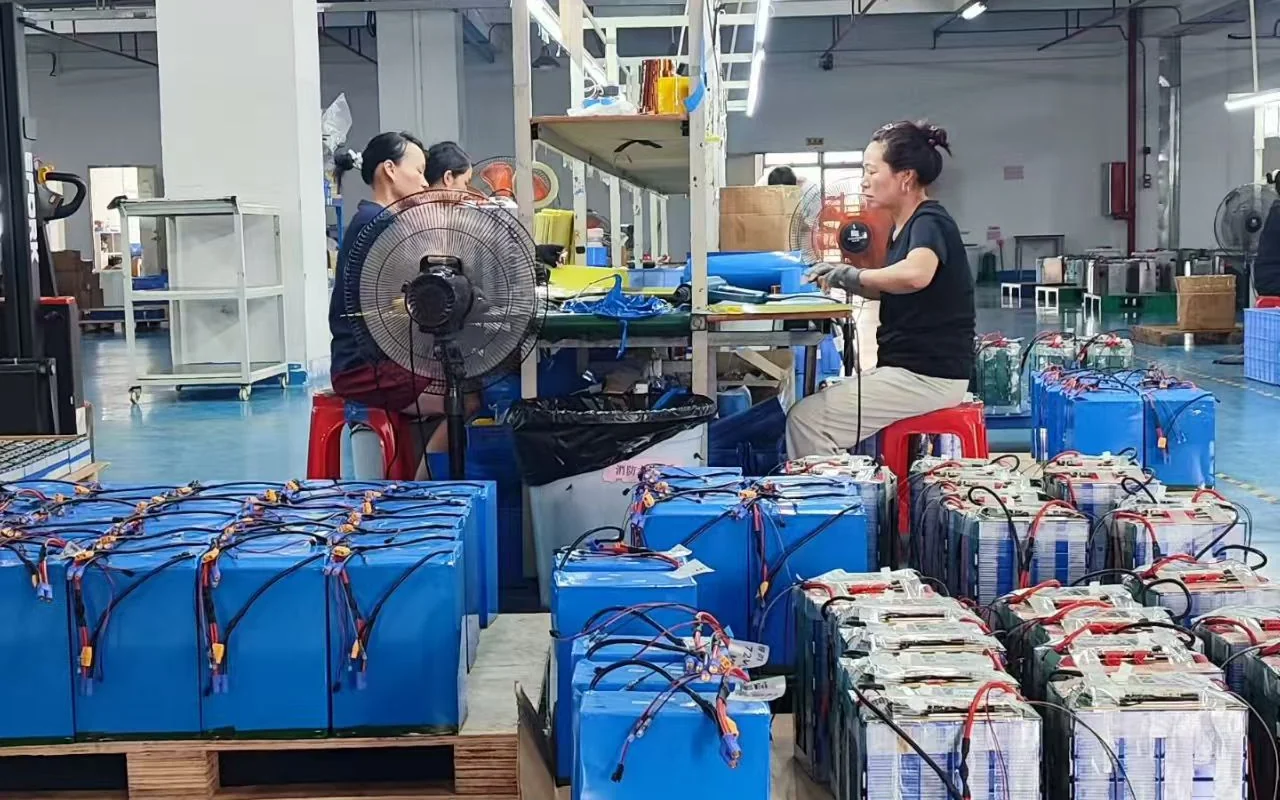
Evidence should connect a capability to a traceable source and an approved project context.
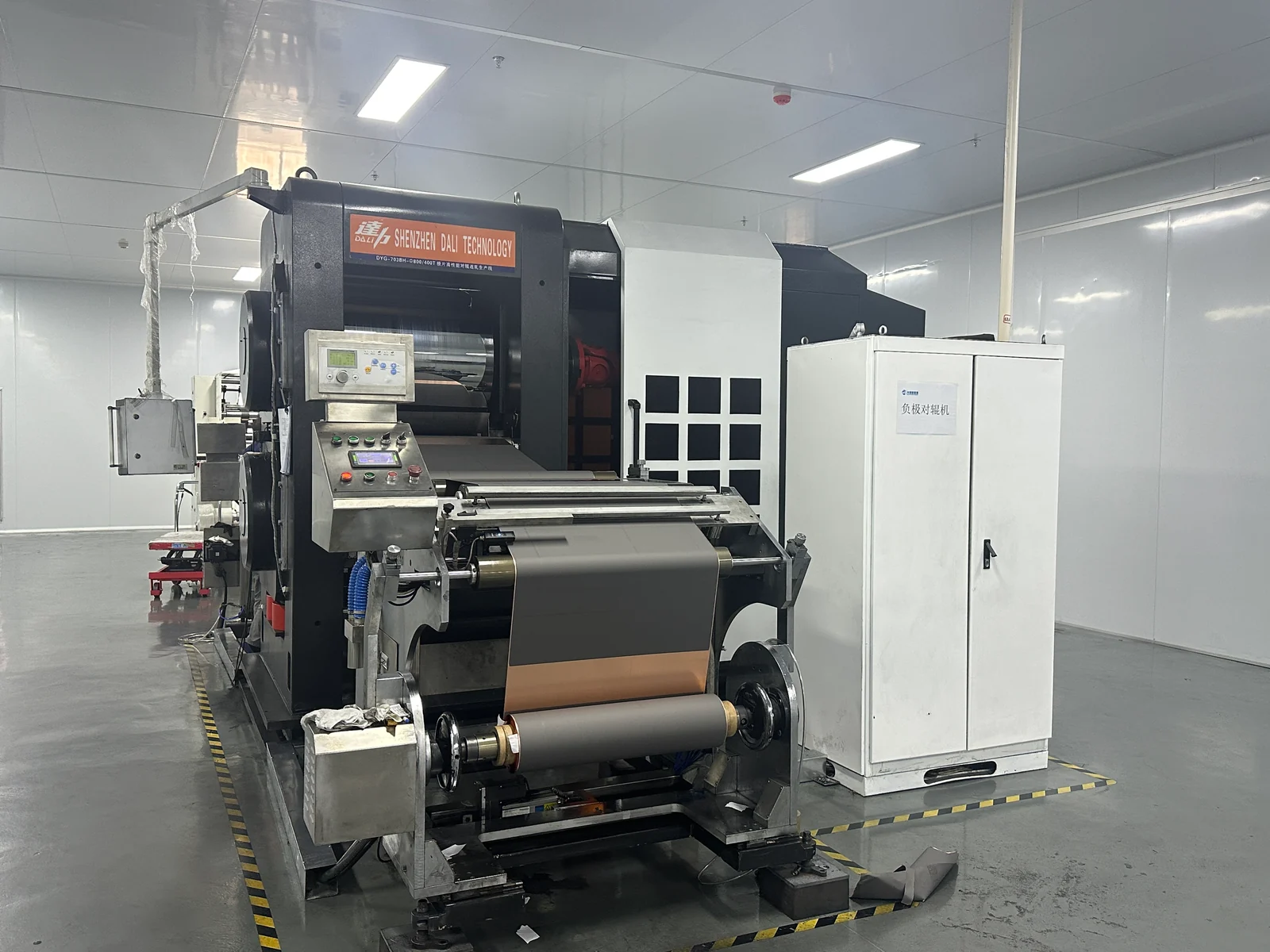
These supplied photographs show assembly and equipment context. Project-specific validation records, certification status and customer outcomes require separate supporting documentation.
13 / BATTERY ENGINEERING
Follow the requirement, engineering decision and validation through to the outcome.
Use these six points to structure your project review. Customer projects are shared only with publication permission and evidence supporting the stated outcome.
TECHNICAL RFQ
Submit your technical requirements, drawings or open engineering questions. Start by preparing your local project brief.
Choose a short project inquiry or a detailed technical brief.