
Manufacturing & Quality
Engineering becomes production here.
Custom battery pack manufacturing starts with the product it needs to power. Bring the design, assembly requirements and validation plan together before moving into production.
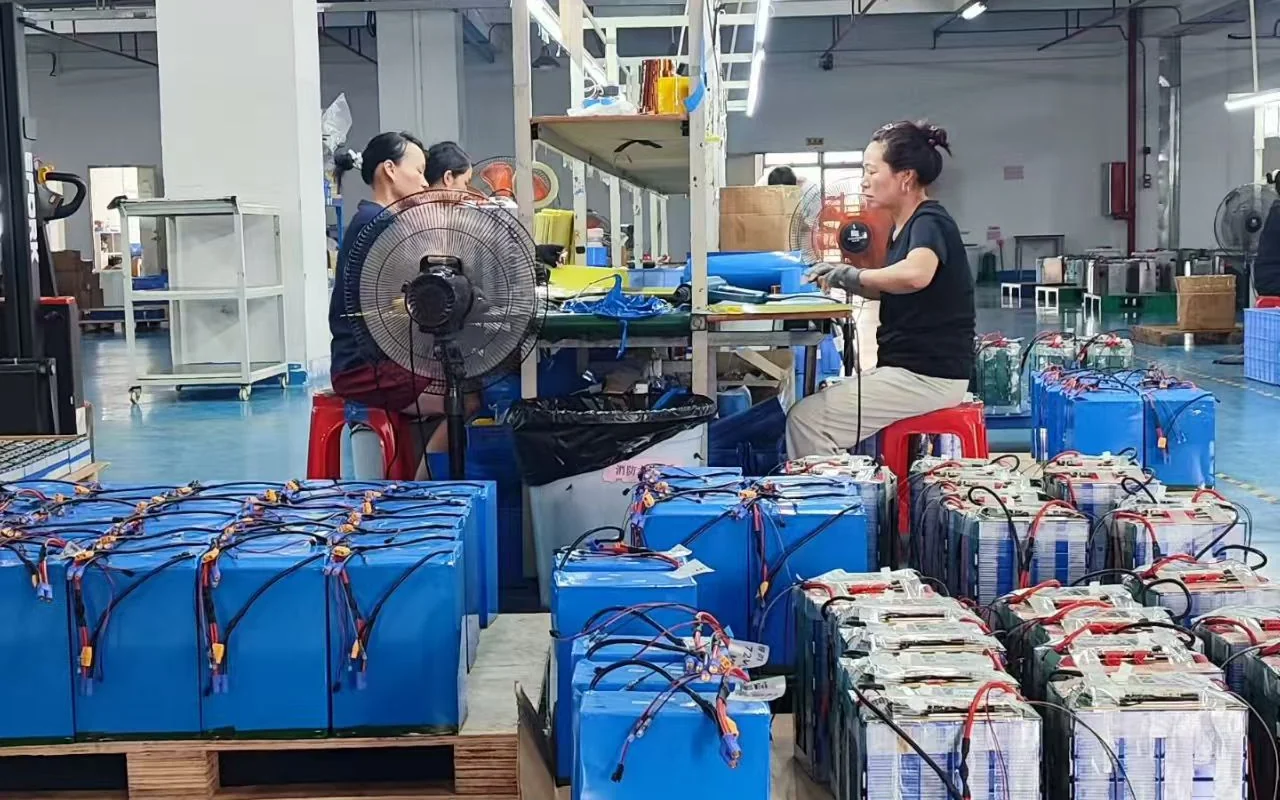
Battery pack assembly · Workshop photograph
Evidence context
Supplied photography
- What this image shows
- Operators, workstations and wired battery assemblies are visible.
- What it does not establish
- Does not establish a specific prototype, welding process, approved order or production rate. No numerical specifications, throughput, certification or customer outcome are established by this photograph.
- Defined around your project
- Reviewed through quality gates
- Supported by relevant evidence
01 / Design into build
A clear handoff. A defined build.
The manufacturing route follows the battery design, application and agreed review points. This sequence is a planning framework; the operations and checks are defined for each project.
Engineering release
Confirm the design revision and open requirements.
Component preparation
Define the cells, components and material acceptance criteria.
Cell / module assembly
Establish the arrangement, connections and insulation approach.
Electrical integration
Align the BMS, wiring, protection and interfaces.
Mechanical integration
Review the enclosure, mounting and cable routing.
Inspection
Check the build against the agreed definition.
Functional testing
Evaluate the functions and acceptance criteria in scope.
Production release
Review evidence, revisions and release conditions.
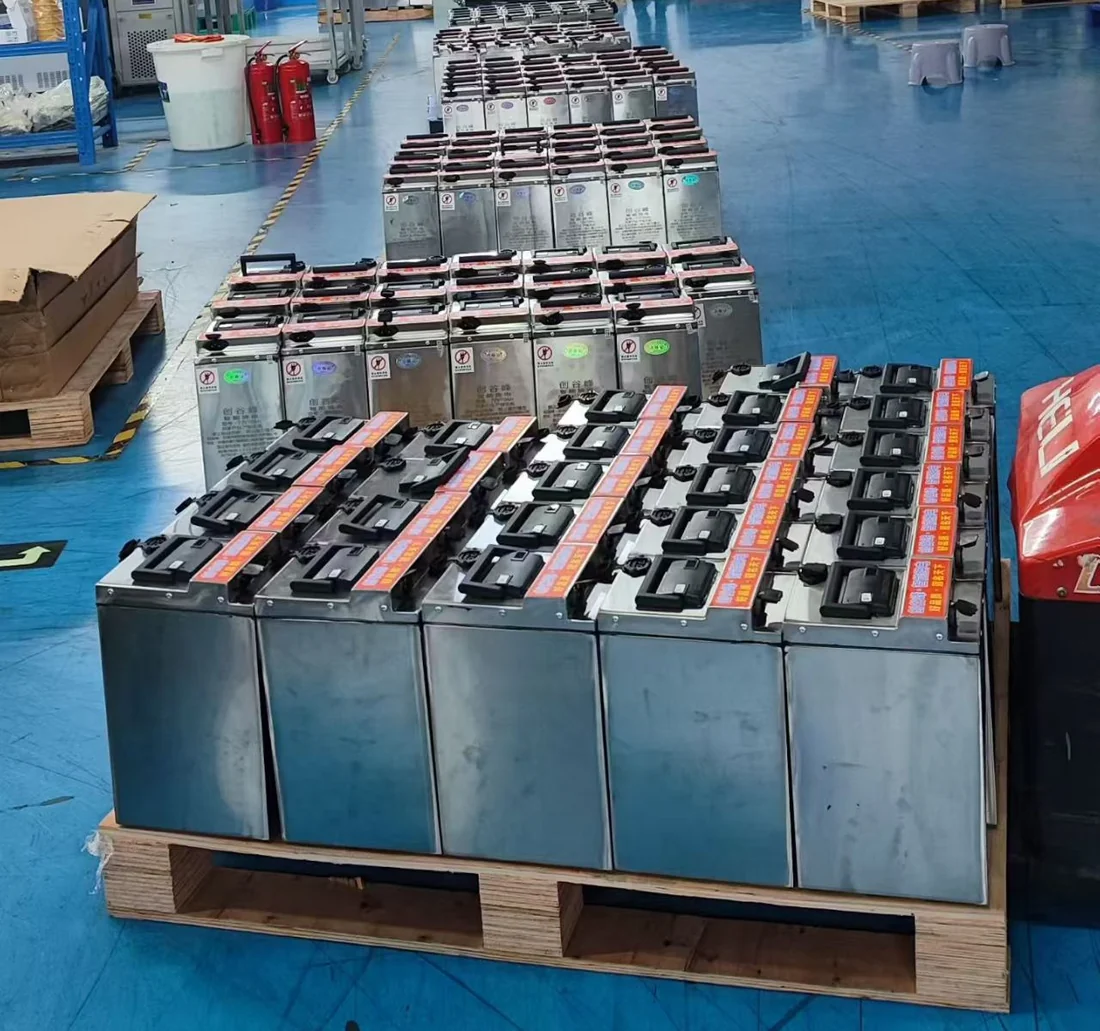
Metal enclosures, handles and interfaces in the workshop.
Evidence context
Supplied photography
- What this image shows
- Physical enclosures, handles and connector positions are visible.
- What it does not establish
- Does not establish dimensions, ingress protection, inspection approval or a standard product specification. No numerical specifications, throughput, certification or customer outcome are established by this photograph.
02 / Pack assembly
The details that turn components into a system.
Cell arrangement, connections, insulation and enclosure fit need to work together. The build definition connects these details to the product’s electrical and mechanical requirements.
- Component definition
- Cell format, component selection and an agreed bill of materials establish what is to be assembled.
- Assembly definition
- Connection methods, insulation and component retention are selected for the design and reviewed during development.
- Build review
- Sample observations and design changes inform the assembly instructions and inspection criteria required for the project.
Electrical & BMS integration
Translate the electrical design into an assembly that can be connected, inspected and evaluated.
- Connections & protection
- Wiring, polarity, insulation and protection requirements.
- BMS configuration
- Monitoring, control and communication requirements, where applicable.
- System interfaces
- Connector definition, charging interface and host-device interaction.
Mechanical assembly
Bring the battery into the product with a defined fit, mounting approach and service access.
- Enclosure & retention
- Housing fit, component support and mounting requirements.
- Routing & access
- Cable paths, connector positions and access for assembly or service.
- Application conditions
- Thermal and environmental requirements that inform the structure and validation plan.
03 / Testing & validation
Define the question. Then define the test.
The test plan connects application requirements to the method, acceptance criteria and evidence needed for review. The scope is agreed for the battery design and intended use.
- Electrical behavior
- Protection, charging and discharge behavior relevant to the design.
- System interaction
- BMS, charging and host communication where included in the project.
- Application conditions
- Mechanical and temperature evaluation selected for the use environment.
Equipment context
Equipment photographs show the setup. Product validation needs a record tied to the sample, method and result.
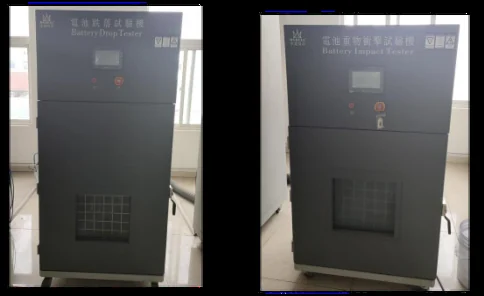
Drop and impact test equipment.
Evidence context
Supplied photography
- What this image shows
- Cabinets carrying battery drop and impact tester labels are visible in the source photograph.
- What it does not establish
- Does not establish that any project passed testing, test standards, accredited status, ranges, calibration or present availability. No numerical specifications, throughput, certification or customer outcome are established by this photograph.
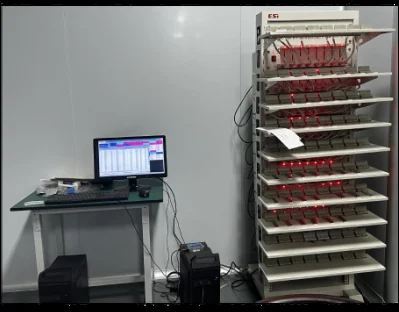
Wired test rack and workstation.
Evidence context
Supplied photography
- What this image shows
- A wired rack, connected equipment and a computer are visible.
- What it does not establish
- Does not establish charge-discharge or aging parameters, channel count, BMS validation, accuracy or pass results. No numerical specifications, throughput, certification or customer outcome are established by this photograph.
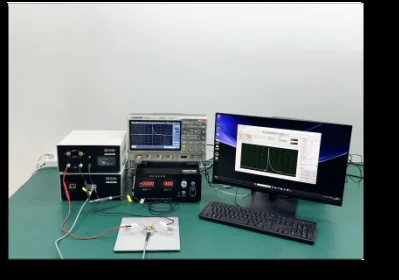
Electrical bench and connected instruments.
Evidence context
Supplied photography
- What this image shows
- An electrical bench with instruments and a wired sample is visible.
- What it does not establish
- Does not establish BMS firmware, supported communication protocols, protection validation, measurement limits or certification. No numerical specifications, throughput, certification or customer outcome are established by this photograph.
A useful validation record connects
- Sample / revision
- Test method
- Acceptance criteria
- Observed result
- Review / next action
04 / Quality control
Checks with a purpose. Evidence with context.
Quality checks are defined according to project requirements. The following gates outline what to agree before production, with the review record selected for the project.
- Incoming materials
- What may be checkedCell and component identity, condition and specified acceptance criteria.
- Record to agreeMaterial requirements and incoming inspection scope.
- In-process assembly
- What may be checkedConnections, insulation, routing and build consistency at relevant stages.
- Record to agreeAssembly instructions and inspection checkpoints.
- Electrical checks
- What may be checkedPolarity, connections and the electrical functions defined for the design.
- Record to agreeElectrical check method and acceptance criteria.
- Mechanical checks
- What may be checkedEnclosure fit, mounting, retention and interface positions.
- Record to agreeDrawing revision and mechanical inspection scope.
- Functional verification
- What may be checkedBattery-system behavior and host interaction within the agreed scope.
- Record to agreeTest plan and sample-specific observations.
- Final review
- What may be checkedProduct definition, open issues, labeling and packing requirements.
- Record to agreeRelease criteria and the agreed documentation package.
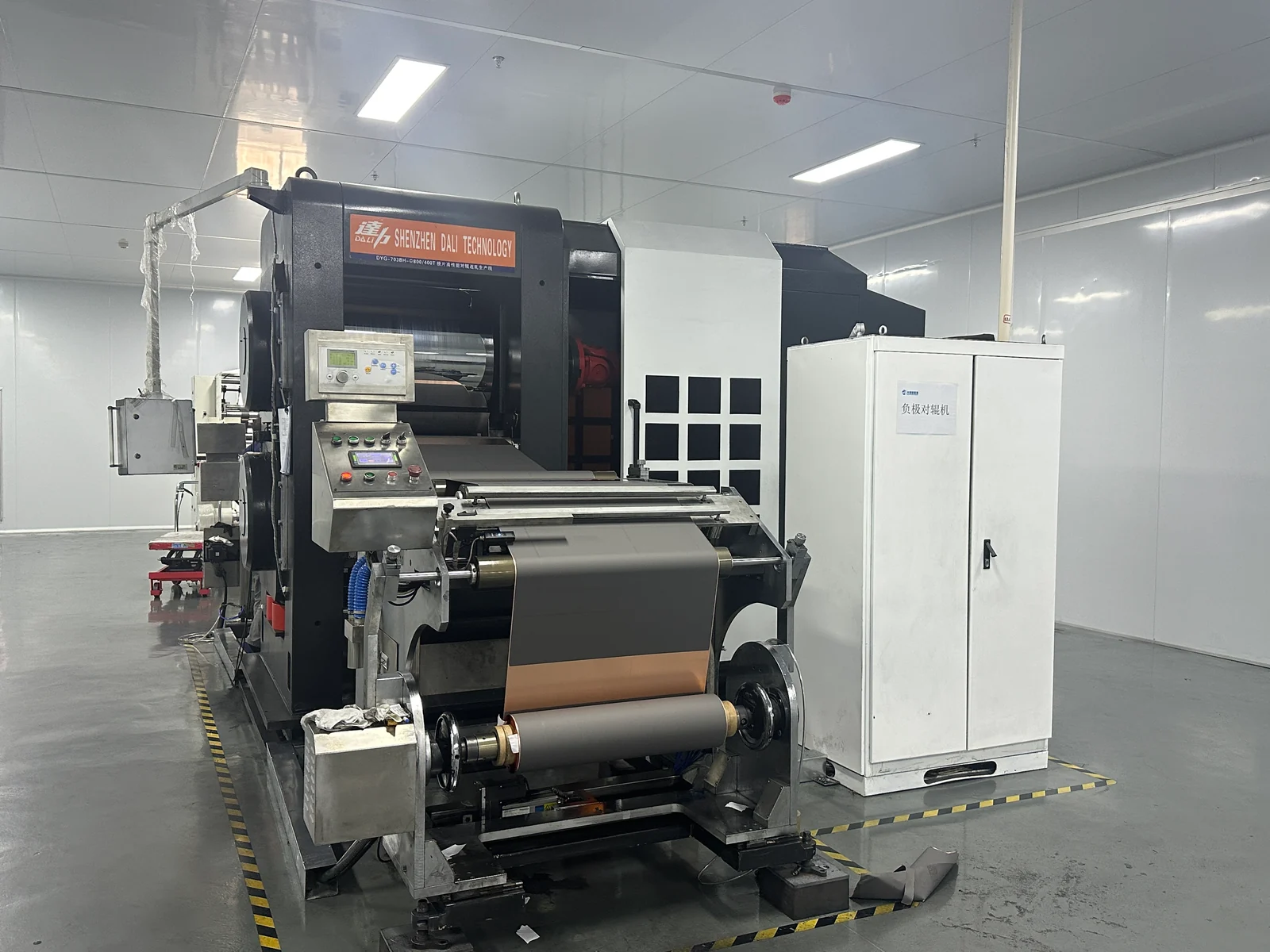
Roller equipment for electrode-material processing.
Evidence context
Supplied photography
- What this image shows
- Roller-based process machinery and control equipment are visible.
- What it does not establish
- Does not show pack assembly, spot welding, BMS validation or a production-release result. No numerical specifications, throughput, certification or customer outcome are established by this photograph.
05 / Manufacturing evidence
See the process. Review the record.
Real workshop and equipment photography provides manufacturing context. For an order decision, ask which records relate to your battery design, sample revision and acceptance criteria.
- Requirements & design
- The agreed application needs, battery definition and relevant drawings.
- Sample & validation
- Prototype status, test scope and the available records for that revision.
- Build & release
- Assembly information, quality criteria and open items before production.
The review package is agreed per project; availability and disclosure of individual records are confirmed during project review.
06 / Production readiness
Make the release decision explicit.
Before moving from a sample to production, align the product definition, the evidence to review and the remaining decisions. A design change should be reflected in the relevant build and inspection information.
Define the build
Review the design revision, bill of materials and assembly information needed for the agreed scope.
Review readiness
Confirm sample status, validation findings and the resolution of open items. A pilot build may be included where required.
Agree release & changes
Confirm release conditions, responsibilities and how subsequent changes will be reviewed.
Order preparation
Packaging & delivery readiness
Packaging is part of the project definition. Product protection, terminal protection, labeling and transport documentation need to match the battery configuration and planned shipment.
Packing method, transport requirements and delivery arrangements are confirmed for the specific order.
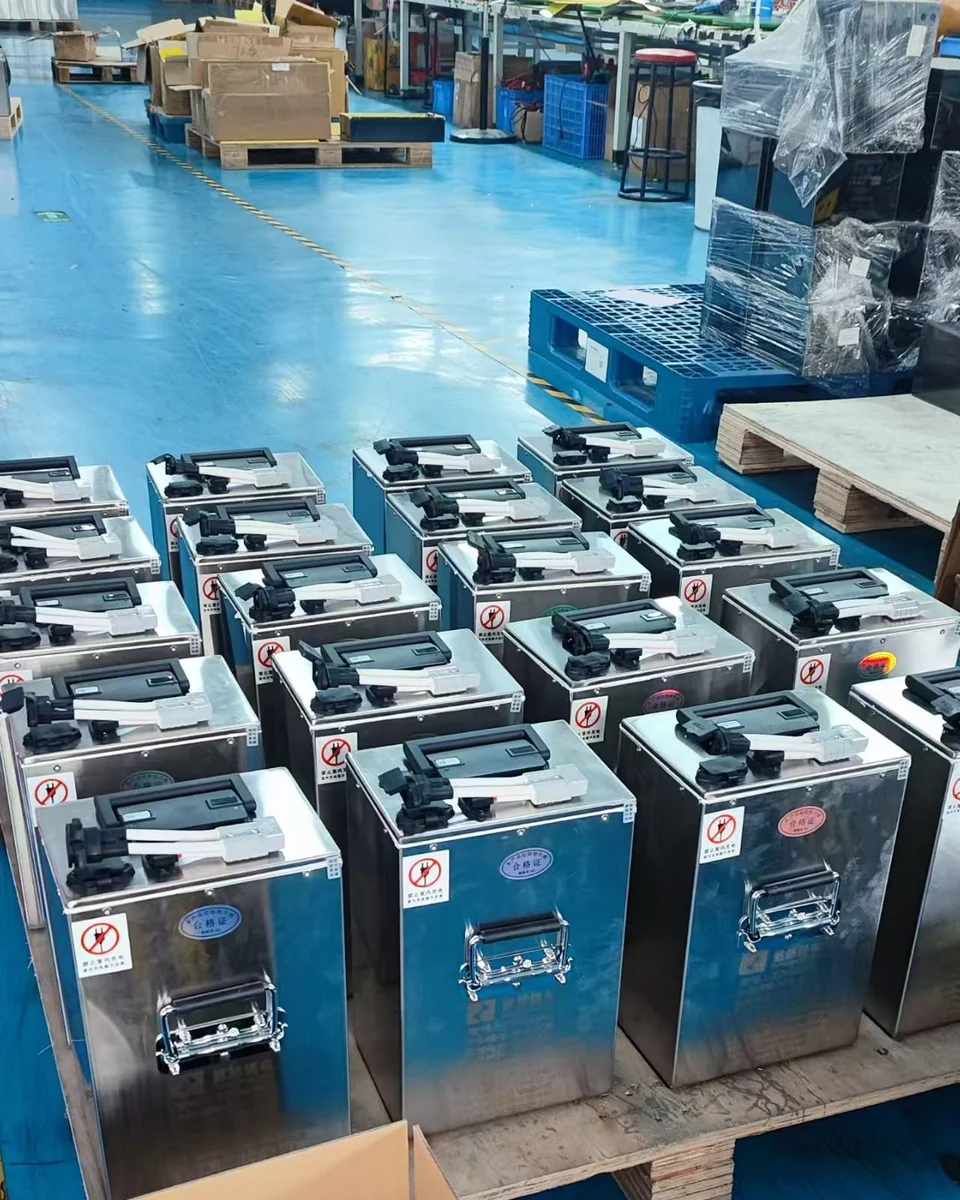
Battery packs and packing materials in the workshop.
Evidence context
Supplied photography
- What this image shows
- Palletized enclosures, cartons and wrapped items are visible.
- What it does not establish
- Does not establish dispatch, dangerous-goods packaging approval, transport compliance or delivery. No numerical specifications, throughput, certification or customer outcome are established by this photograph.
Compliance support
Plan for the market. Check the scope.
Certification requirements are evaluated during project development and incorporated into design and validation planning. The destination market, application and battery configuration determine what needs review.
Applicable documents and their relevance to your configuration are confirmed during project review.
- Market & application
- Identify the destination, host product and intended operating conditions.
- Relevant documentation
- Check the document owner, covered model, scope, date and applicable conditions.
- Project-specific plan
- Agree which evaluations or documentation are needed and who is responsible for each step.
Questions before production
A clearer starting point.
How does a custom battery move from design to production?
Start with the agreed battery definition and application requirements. The project then defines the component selection, assembly route, inspection points and functional test scope. Sample findings and open issues are reviewed against the release criteria before production proceeds.
What quality checks should be defined for a battery pack?
Depending on the design, the scope may cover incoming materials, assembly connections and insulation, electrical behavior, mechanical fit, functional verification and final review. The methods, acceptance criteria and records are defined according to project requirements.
What does an equipment photograph tell me about validation?
A photograph shows the equipment or setup visible in the image. It does not establish that a specific battery passed a test. Product validation requires a record identifying the sample revision, method, conditions, acceptance criteria and result.
What can I review before placing a production order?
Discuss the agreed requirements, battery definition, relevant drawings, sample status, validation plan, available manufacturing evidence and documentation package. The review scope and availability of each record are confirmed for the project.
How is certification and compliance support planned?
The destination market, application, battery configuration and shipment requirements are reviewed during development. Any proposed report or certificate needs to be checked for its owner, covered model, scope, dates and relevance. Requirements and responsibilities are agreed for the specific project.
What information should I send for a manufacturing review?
Share the application, electrical requirements, installation space, interfaces, operating environment, project stage and expected volume. Include available drawings and any validation, certification or packaging requirements through the Technical RFQ.
Start with your project
Bring the requirements. Define the path to production.
Share your battery specification, drawings or application needs for a technical project review.