Skip to content

PRODUCT PLATFORMS / PROJECT FIT

Battery platforms for real products.

Explore configurable battery platforms for robotics, UAVs, industrial equipment and custom product development.

Start with the application. Define the configuration with your engineering team.

PRODUCT / SYSTEM INTEGRATION

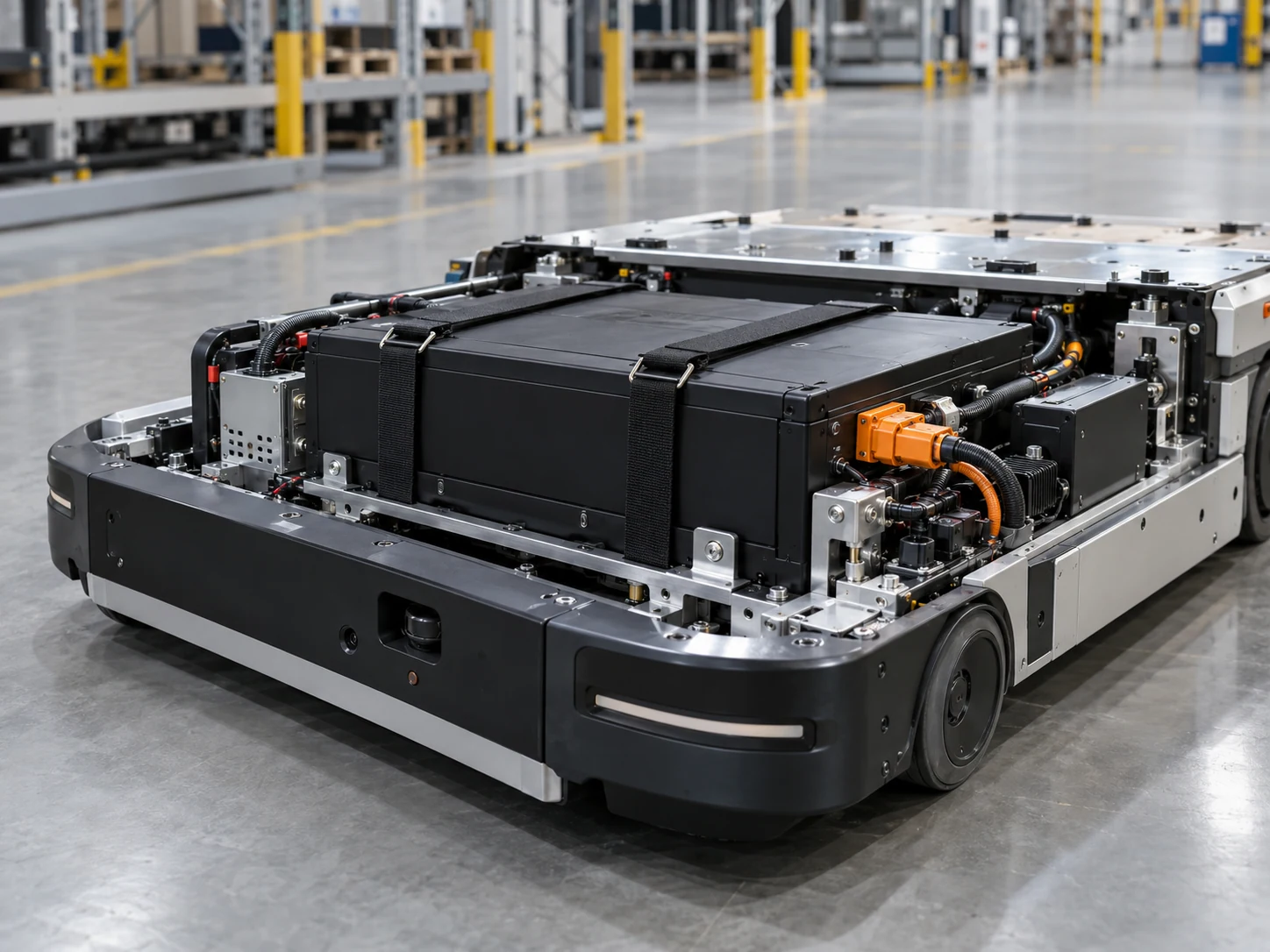
Concept visualization of a battery integrated into a mobile robot
Integration concept
Application fitConfigurationEngineering review

PRODUCT PLATFORMS

Find your starting point.

Compare the integration approach, then bring your product requirements into the discussion.

3 platforms

Concept visualization of a battery integrated into a mobile robot
Integration concept

CONFIGURABLE PLATFORM

Robotics / Autonomous Battery Platform

A system-integration starting point for mobile robots and autonomous equipment.

  • Robotics
  • Unmanned Equipment
Configuration focus
Energy / capacity · Continuous / peak load · BMS / communication
Customization
Defined per project
View platform
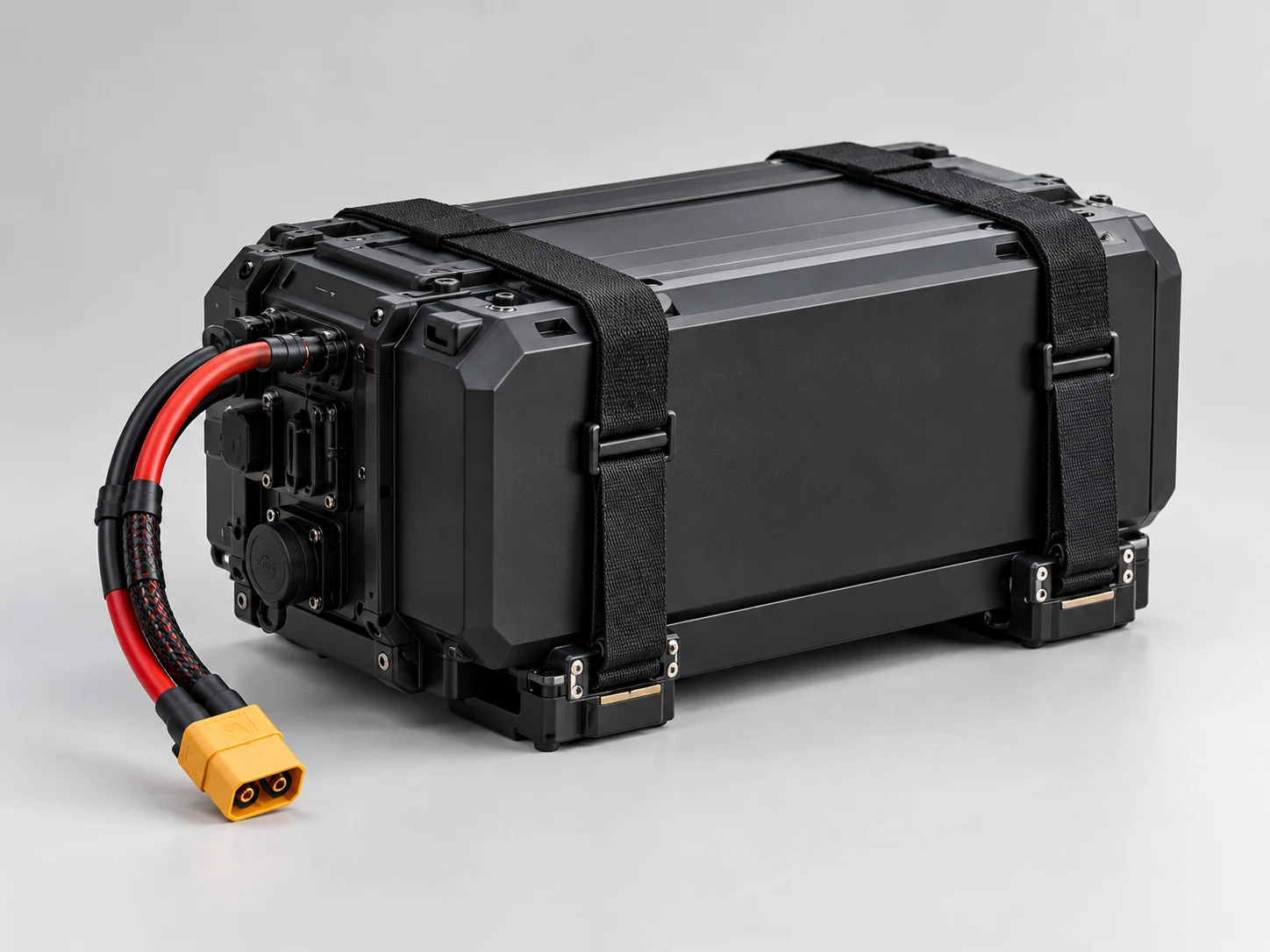
Concept visualization of a configurable UAV battery pack
Product concept

CONFIGURABLE PLATFORM

UAV / Drone Battery Platform

An aircraft-integration starting point for a mission-led battery requirement.

  • Drone / UAV
Configuration focus
Voltage / energy · Peak / continuous load · Pack geometry / retention
Customization
Defined per project
View platform
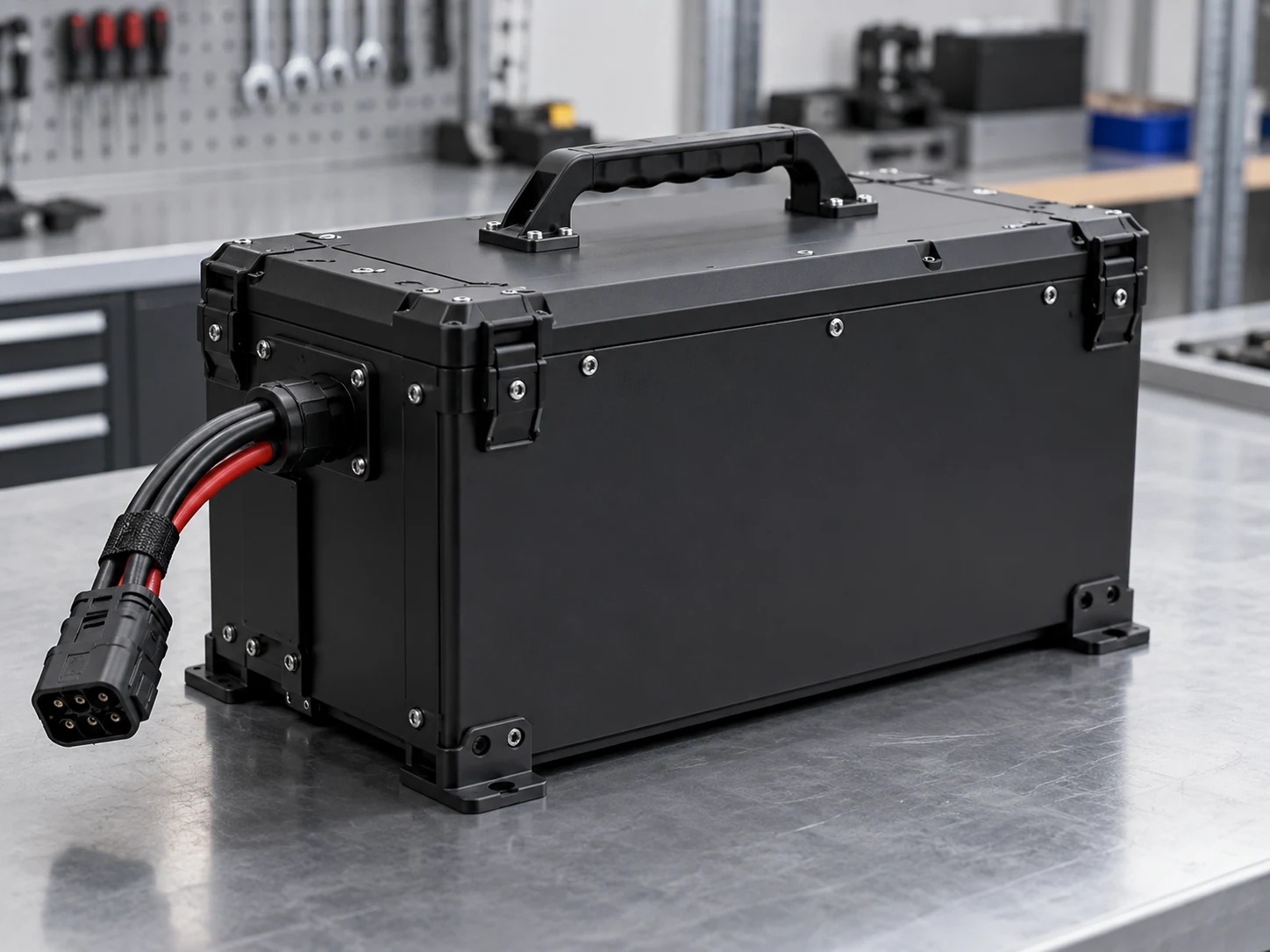
Concept visualization of an industrial custom battery enclosure
Product concept

CONFIGURABLE PLATFORM

Industrial / Custom Battery Pack Platform

A pack-level starting point when the product envelope and operating brief define the battery.

  • Industrial Equipment
  • Robotics
  • Unmanned Equipment
Configuration focus
Voltage / energy · Cell selection · Pack geometry / mounting
Customization
Defined per project
View platform

PROJECT-DEFINED CONFIGURATION

Configure the battery around the product.

These are inputs for an engineering review. The available options and final scope are agreed for each project.

Explore custom battery development ↗
Electrical envelopeProject-defined
Voltage, usable energy, continuous load and peak demand.
Physical integrationProject-defined
Available space, mounting, enclosure, cable routing and connector location.
Control & chargingProject-defined
Host interface, battery monitoring and charging workflow.
Operating conditionsProject-defined
Environment, service access and the validation brief.

Choose an approach, not just a capacity.

  1. Describe the equipment

    Tell us what it does, where the battery fits and the stage of your project.

  2. Define the operating brief

    Bring the duty cycle, load profile, runtime target and charging approach.

  3. Evaluate the system fit

    Review electrical, mechanical and host-control requirements before a configuration is agreed.

From a platform to an evaluated system.

A platform starts the conversation. Engineering connects your requirements to architecture, prototypes and an application-specific validation plan.

Explore battery engineering ↗

TECHNICAL RESOURCES

Drawings and technical documents.

Request the documents relevant to your configuration. Share your installation drawing or brief so the engineering discussion starts with the right constraints.

Use a technical inquiry to define which drawings and datasheets your project needs.

Product platform questions.

Can battery platforms be customized?

A platform is a starting point for a project review. The electrical, mechanical and control requirements determine which changes are appropriate; the scope is agreed before development.

Do you publish standard pricing?

Pricing is discussed against a defined configuration, volume and project scope. Submit your requirements for a project-specific quotation.

Can dimensions and connectors be changed?

Include the installation envelope, connector location and interface requirements in your brief. Feasibility is evaluated for the selected platform; a change is not assumed to be available for every design.

How do I choose a battery platform?

Start with the equipment and operating brief. Load profile, required runtime, space, charging and environmental conditions are more useful starting inputs than capacity alone.

Can I upload drawings?

Yes. Use the Upload Requirements entry to the Technical RFQ and follow the file type and size limits shown in the form.

Do you support custom development?

Use the Custom Battery Solution page to explore the development process and submit your product requirements for engineering review.

Have a product to power?

Bring the application, space and operating brief. Start a technical conversation around your project.